Now playing
Why is stigma such a big issue?
- Dr Michael Aufgang, GP specialising in AOD

- Dr Michael Aufgang, GP specialising in AOD

- Natalie O'Halloran, AOD nurse practitioner
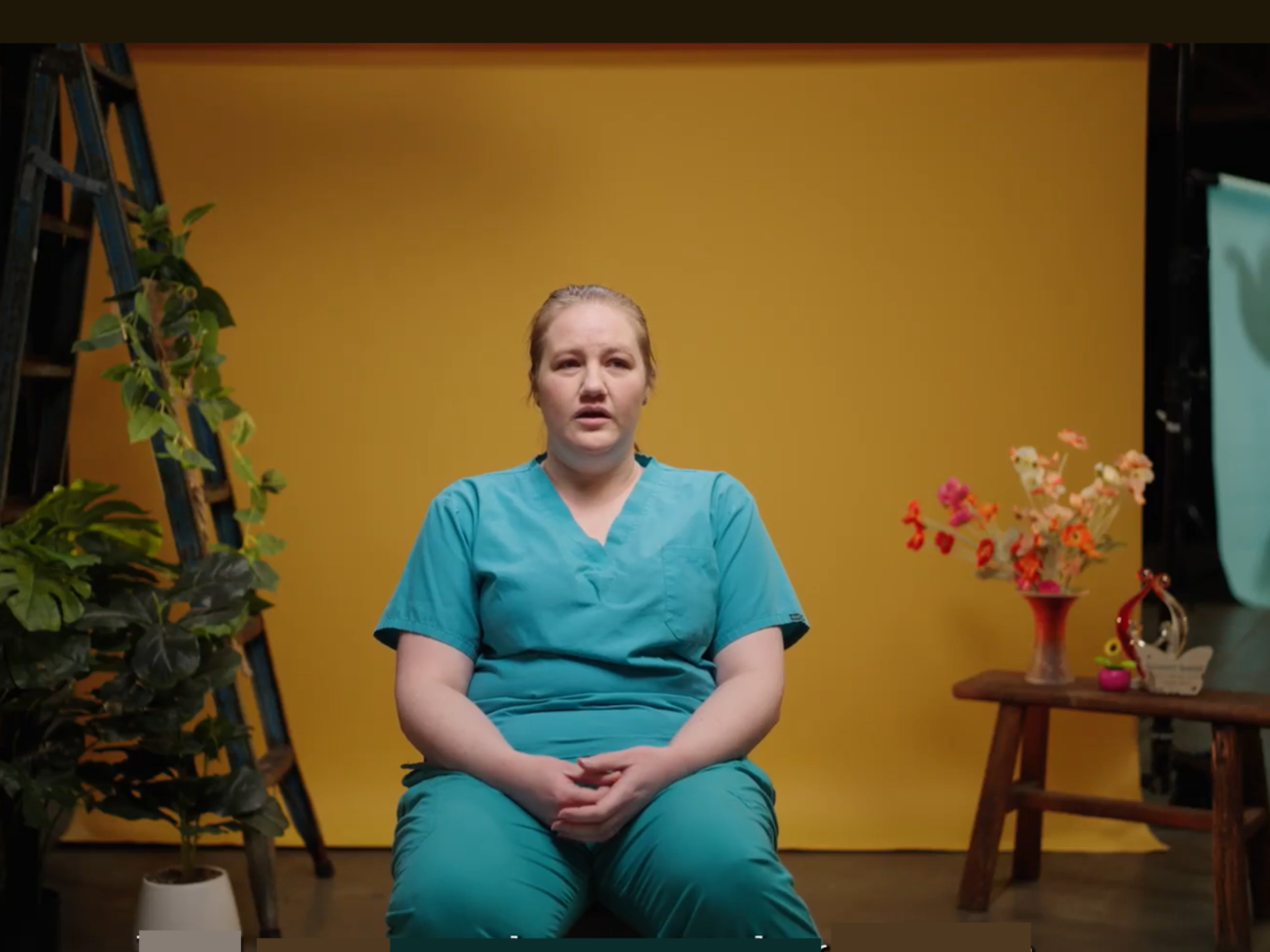
- Alaa Bondok, medical services manager
Up next Why is stigma such a big issue?

Alcohol and other drug issues manifest in all types of people. There is no “typical” user, nor universal symptom.
Stigma and discrimination toward people who use alcohol or other drugs (AOD) are commonplace. Community members and health professionals frequently raise it as a major issue.
Stigma occurs in all kinds of health settings and is a significant barrier that prevents people receiving care. It is embedded in organisational practices, regulatory and funding structures, and broader societal narratives.
“Stigma is a complex issue that arises more from a lack of awareness and understanding than a lack of empathy.”
The RAISE IT campaign is a region-wide initiative led by North Western Melbourne Primary Health Network (NWMPHN) to address the stigma and discrimination associated with alcohol and other drug (AOD) use across primary care settings.
Research indicates that stigma and discrimination create significant barriers to accessing primary care for people who use alcohol and other drugs. This occurs in communities right across the NWMPHN region.
NWMPHN partnered with behaviour change agencies KWC and Icon to find out more about stigma, and how it affects the experience of primary care providers.
This research engaged more 20 participants in interviews, focus groups and workshops. It was complemented by a review of academic papers and other documents. Additional consultations were conducted with NWMPHN’s expert advisory groups, and further insights were shared by people with alcohol and other drug lived experience.
A final research report, Reducing AOD-related stigma in primary care: research-informed strategies for change, identified 13 strategic themes that comprise a practical and comprehensive framework for strengthening person-centred care in this context.
In addition, NWMPHN invited 24 AOD experts, including primary care providers and people with lived experience, to tell their stories on film. The result is deeply personal and insightful, highlighting that stigma sometimes presents in ways we least expect. We sincerely thank all who were involved.
“Stigma reduction is not a one-off initiative, but a sustained process of embedding accessible, person-centred care throughout the primary care system.”
The research has been distilled into a summary document that provides advice that NWMPHN is using to guide its activities, communications and partnerships.
Read the summary